
Hurricane prep for boats in Florida
Sources checked Oct 28, 2026. General information, not legal advice. Rules and fees change, so confirm with the agency linked.
NOAA's National Hurricane Center puts it simply: plan well ahead, do the prep work early, and act in time when a storm threatens (NHC).
Before the season
- Write your plan. NHC says it should be a written checklist that lists the equipment and supplies you'll need, and the people helping you should know it.
- Read your marina or storage contract and the marina's hurricane plan. Many require an emergency contact or a caretaker, such as a hired captain.
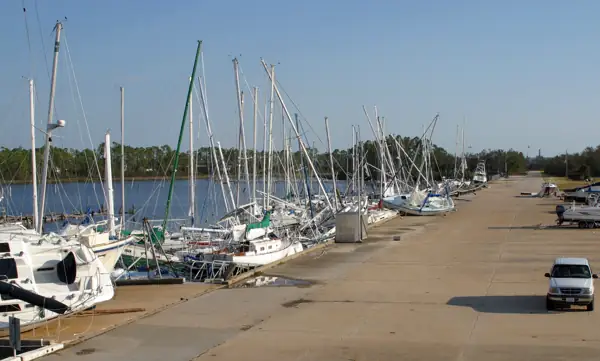
- Pick your option. NHC lists three for a boat in a marina: secure it in its slip, move it to a mooring you've already picked out, or haul it out. Running from a hurricane isn't recommended except for large commercial vessels.
- Get your records together: insurance policy, registration, photos and an equipment inventory (NOAA).
- Book haul-out or storage early. Ask local yards and dry-stack marinas about their storm policies.
When a storm threatens
- Follow the forecast at hurricanes.gov. NOAA's marina guidance says action has to happen early, and that bridges and access may close.
- Take off or lash down loose gear, canvas, cushions and electronics. Mark small craft like kayaks and paddleboards with your contact info. Unoccupied small craft that break loose can trigger needless searches (NHC).
- Trailer boats: store them somewhere sheltered and well tied down. Follow your insurer's and county's guidance.
- Never stay aboard during a hurricane (NOAA).
After
- Only return when officials say it's safe. Photograph any damage before you move anything, then call your insurer.
- Get a survey before you use a damaged boat. Watch for storm-damaged boats being resold without the damage disclosed.
More: NHC: Get Ready.
Sources
Next step
Related guides
Get boating tips and launch news
One short email when there's something useful. Unsubscribe anytime.
We'll only use your email for these updates. We never sell it.